Hydrogen-Rich Water Vs. Caffeine: What the Research Says.
For those who rely on caffeine to stay sharp but want to avoid the crash, hydrogen-rich water (HRW) may offer another option. A growing body of research suggests it may support caffeine-like alertness and focus without caffeine's unwanted effects.*

Key Takeaways
- + In a 2021 clinical study, hydrogen-rich water matched caffeine's increase in alertness—without the drop in focus and accuracy experienced by participants who drank caffeine.4
- + Brain imaging from the study showed hydrogen water activated a region of the brain tied to problem-solving and cognitive control.4
- + Caffeine temporarily stimulates the nervous system, while molecular hydrogen protects cells from oxidative damage and supports cellular energy production.2
- + Unlike caffeine (a diuretic), hydrogen-rich water supports hydration while also providing foundational cellular support.*
- + You can drink hydrogen-rich water alongside caffeine or on its own.
Can Hydrogen Water Replace Your Morning Cup of Coffee? Here’s What the Research Says.
For many of us, caffeine is part of modern life, fueling long workdays, powering workouts, and, sometimes, contributing to sleepless nights. In fact, 66% of Americans drink coffee every day.³ And when you factor in caffeinated tea, matcha, energy drinks, and supplements, it’s clear that caffeine is a daily habit for millions of Americans.
While caffeine can temporarily support alertness and focus, it can also come with trade-offs. Jitters, anxiety, increased heart rate, headaches, nausea, and disrupted sleep are all commonly associated with caffeine consumption. And over time, the caffeine you rely on to get through the day after a poor night’s sleep may actually be contributing to the cycle, making it harder to get the restful sleep you need.¹
The good news? Research suggests molecular hydrogen may support alertness, focus, and mental performance without caffeine's negative side effects.
So when the next caffeine crash hits, consider opting for a glass of hydrogen-rich water instead. Here’s why.

The Study: Caffeine vs. Hydrogen Water Under Stress.
In a 2021 study, researchers compared the effects of molecular hydrogen and caffeine by subjecting habitual coffee drinkers to what you might call a “rough 24 hours”—24 hours without sleep, including 12 hours of fasting.
The following morning, participants were blindly given one of four drinks: tap water, 50 mg of caffeine, hydrogen-rich water, or hydrogen-rich water with caffeine.
Each person then completed a symbol-matching task and a fast-paced connect-the-dots test while researchers monitored their brain activity.
The results: caffeine improved alertness by 16%; hydrogen water outperformed it at 17%.⁴
However, the most notable difference showed up in participants' focus:
-
In the caffeine group, both focus and accuracy declined. Focus baseline dropped by 19.9%, while accuracy fell by another 7.3%.⁴
-
In contrast, the hydrogen water group showed almost no change in focus baseline or accuracy.⁴
To summarize the findings: Hydrogen-rich water matched caffeine’s increase in alertness while helping participants maintain their focus and accuracy. In contrast, participants who drank caffeine experienced a noticeable decline in both focus and accuracy.¹
Why It Works: Stimulation vs. Support.
Caffeine works by blocking adenosine, a chemical that builds up in your brain and signals that you’re tired. This helps you feel more awake and alert, while also triggering the release of dopamine and adrenaline. But caffeine doesn’t create energy. When its effects wear off, the adenosine that has built up can leave you feeling tired, contributing to the familiar caffeine crash.¹
Caffeine can also stay in your body for hours, which means it may continue to affect your energy levels and sleep long after you’ve had it.
Molecular hydrogen works differently.
Rather than stimulating the nervous system, molecular hydrogen works within your cells to help manage damaging molecules and support natural energy production.
As the smallest molecule in existence, it can diffuse throughout the body and cross cell membranes, reaching your cells directly.² Once inside, it supports two key processes:
-
Helps manage oxidative stress: Molecular hydrogen acts as a selective antioxidant, which means it neutralizes only harmful molecules without disrupting the beneficial processes your body relies on.²
-
Supports cellular energy: Molecular hydrogen helps your mitochondria work better, so your cells can make and use energy more efficiently. This can lead to calm, steady focus without sudden drops in energy.²
In short: caffeine stimulates, while hydrogen supports.

A Closer Look at the Research.
In the 2021 study, both caffeine and hydrogen-rich water improved participants’ alertness. But the more interesting difference wasn’t just how they performed on mental tasks. It was how each affected brain activity. Hydrogen-rich water appeared to influence how the brain uses energy at the cellular level, which may help explain its effects on focus and alertness.⁴
Brain imaging from the study found that caffeine affected activity in five of the twelve brain regions studied, while hydrogen-rich water affected eight. These included the paracentral region, an area associated with attention, cognitive control, and problem-solving.⁴

So can hydrogen water outperform caffeine? When it comes to supporting both alertness and sustained focus, the research is promising.
Foundational Energy for Modern Life.
Hydrogen-rich water and caffeine work differently, so molecular hydrogen can complement your favorite caffeinated drinks or be used on its own. Adding it to your daily habits is a simple way to support hydration and cellular health.*
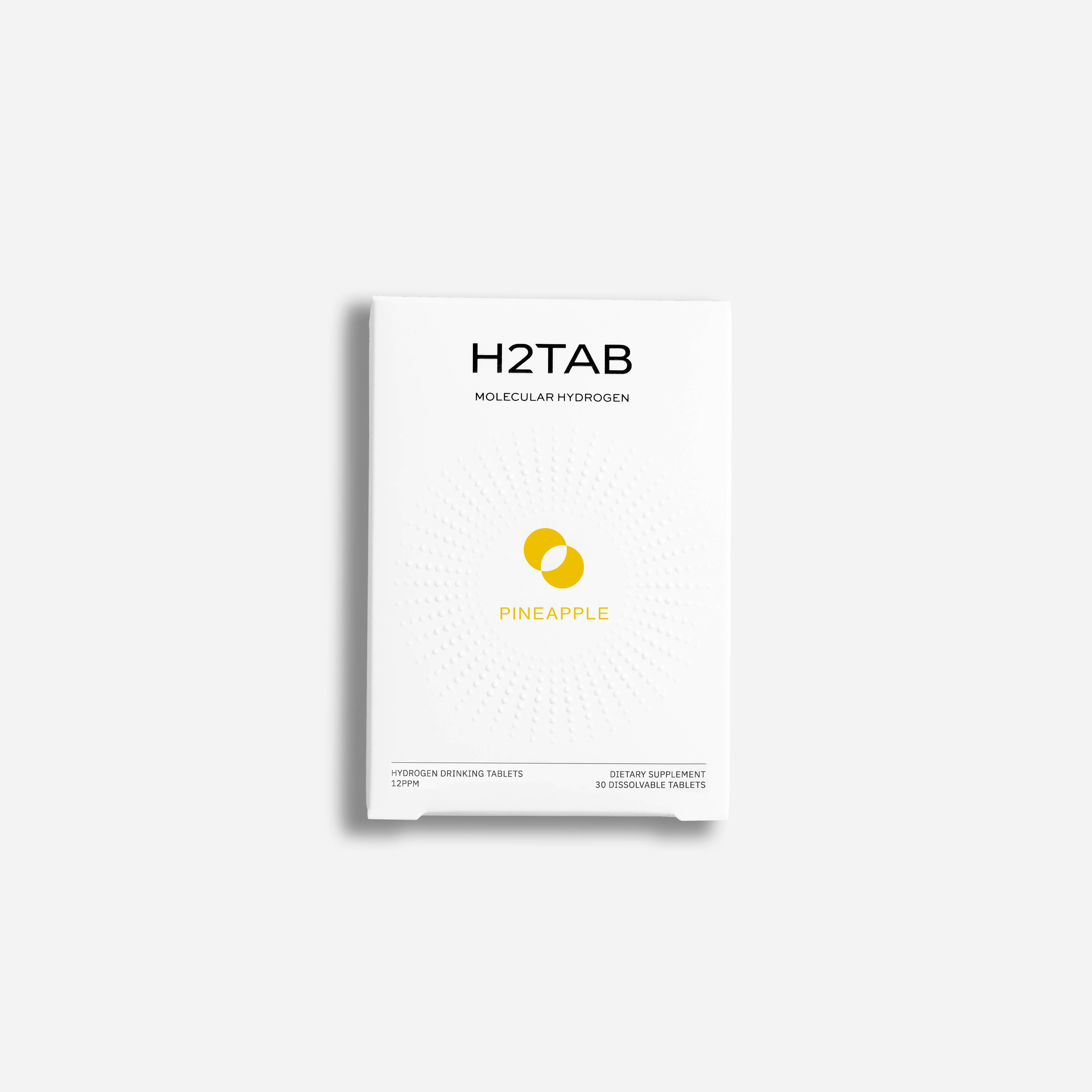
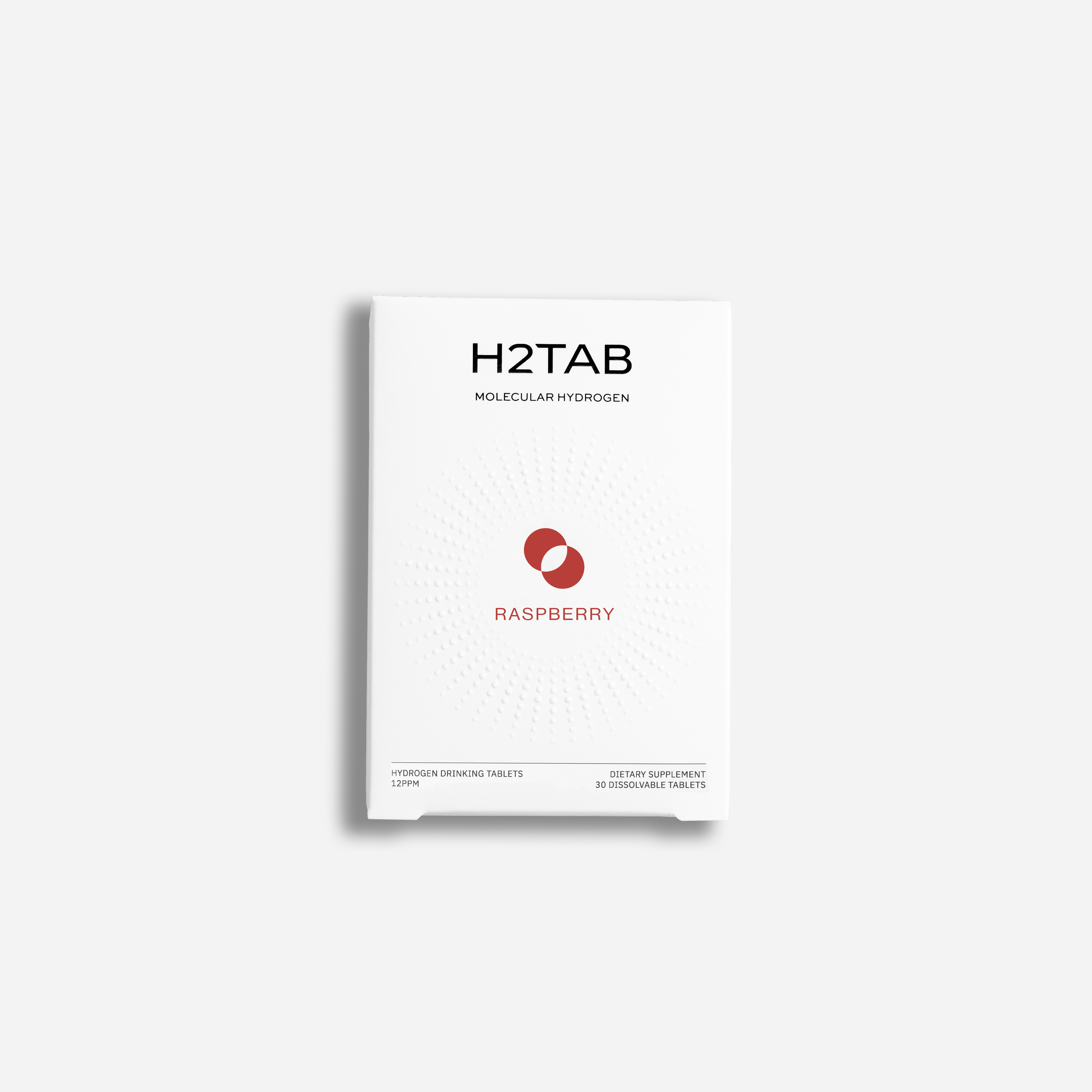
If you’re looking to cut back on caffeine, hydrogen-rich water offers a non-stimulant way to promote focus and mental performance. Simply dissolve 1–2 H2Tab Drinking Tablets in a glass of water each day to give your brain an extra boost.*
Want to get the most from your Drinking Tablets? Learn why consistency matters here.
*These statements have not been evaluated by the Food and Drug Administration. This product is not intended to diagnose, treat, cure, or prevent any disease.
Related Reading
-
Hydrogen vs. Hangovers: The Cellular Guide to Bouncing Back Faster
-
How to Outsmart Jet Lag + Travel Fatigue with Molecular Hydrogen
-
Timing Matters: How to Get the Most Out of Your Hydrogen Routine
References
-
American Medical Association. (2024, April 18). What doctors want patients to know about the impact of caffeine.
-
Dixon, B. J., Tang, J., & Zhang, J. H. (2013). The evolution of molecular hydrogen: A noteworthy potential therapy with clinical significance. Medical Gas Research, 3(1), Article 10. https://doi.org/10.1186/2045-9912-3-10
-
National Coffee Association. (2024, April 11). Daily coffee consumption at 20-year high, up nearly 40%.
-
Todorovic, N., Zanini, D., Stajer, V., Korovljev, D., Ostojic, J., & Ostojic, S. M. (2021). Hydrogen-rich water and caffeine for alertness and brain metabolism in sleep-deprived habitual coffee drinkers. Food Science & Nutrition, 9(9), 5139–5145. https://doi.org/10.1002/fsn3.2480